Americana
1862 Brooklyn Eagle — Trent Affair Aftermath & War Dispatches — Jan 9
$55.55
-
Details📜 ABOUT THIS PIECE OF HISTORY 📜
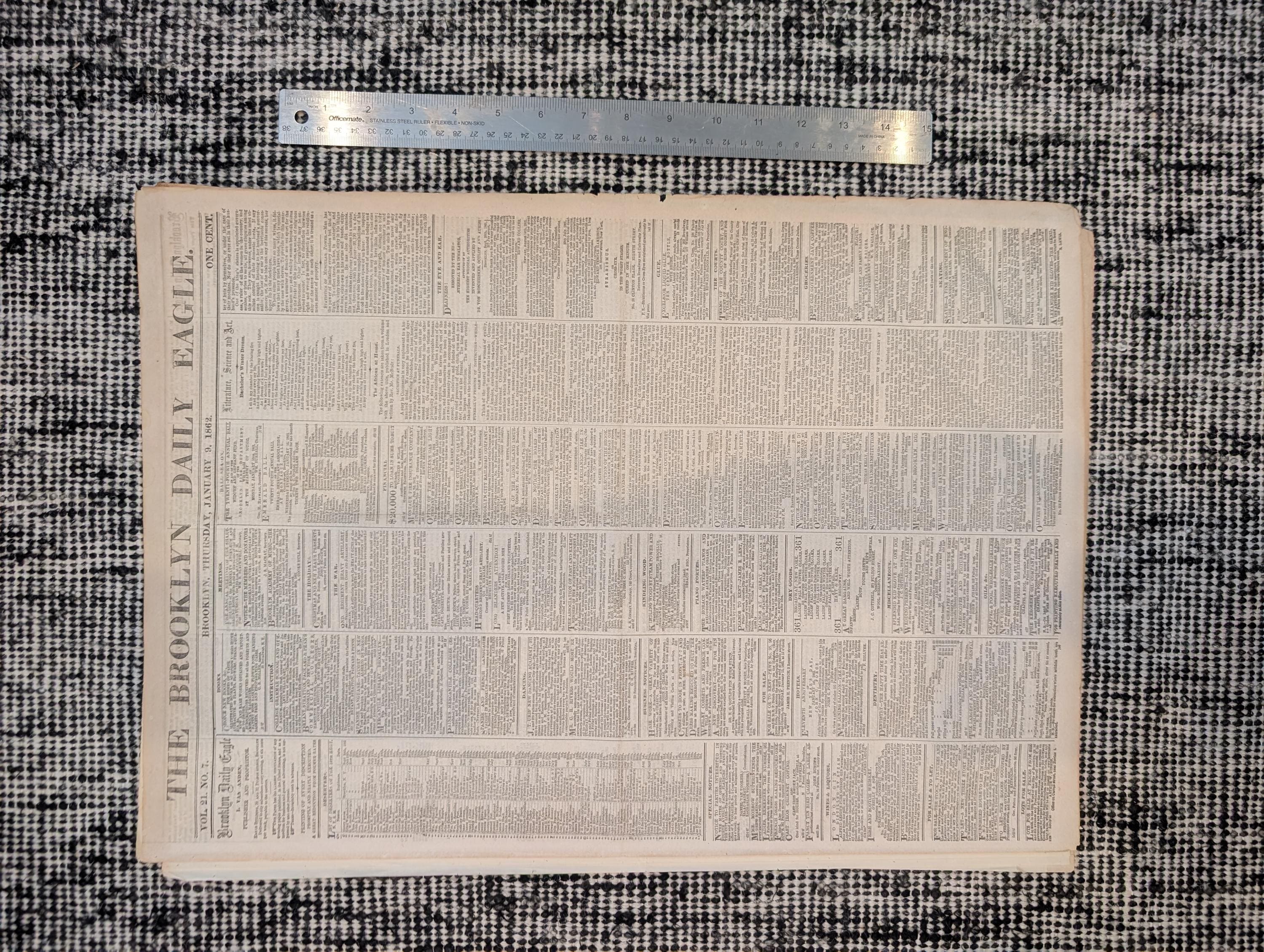
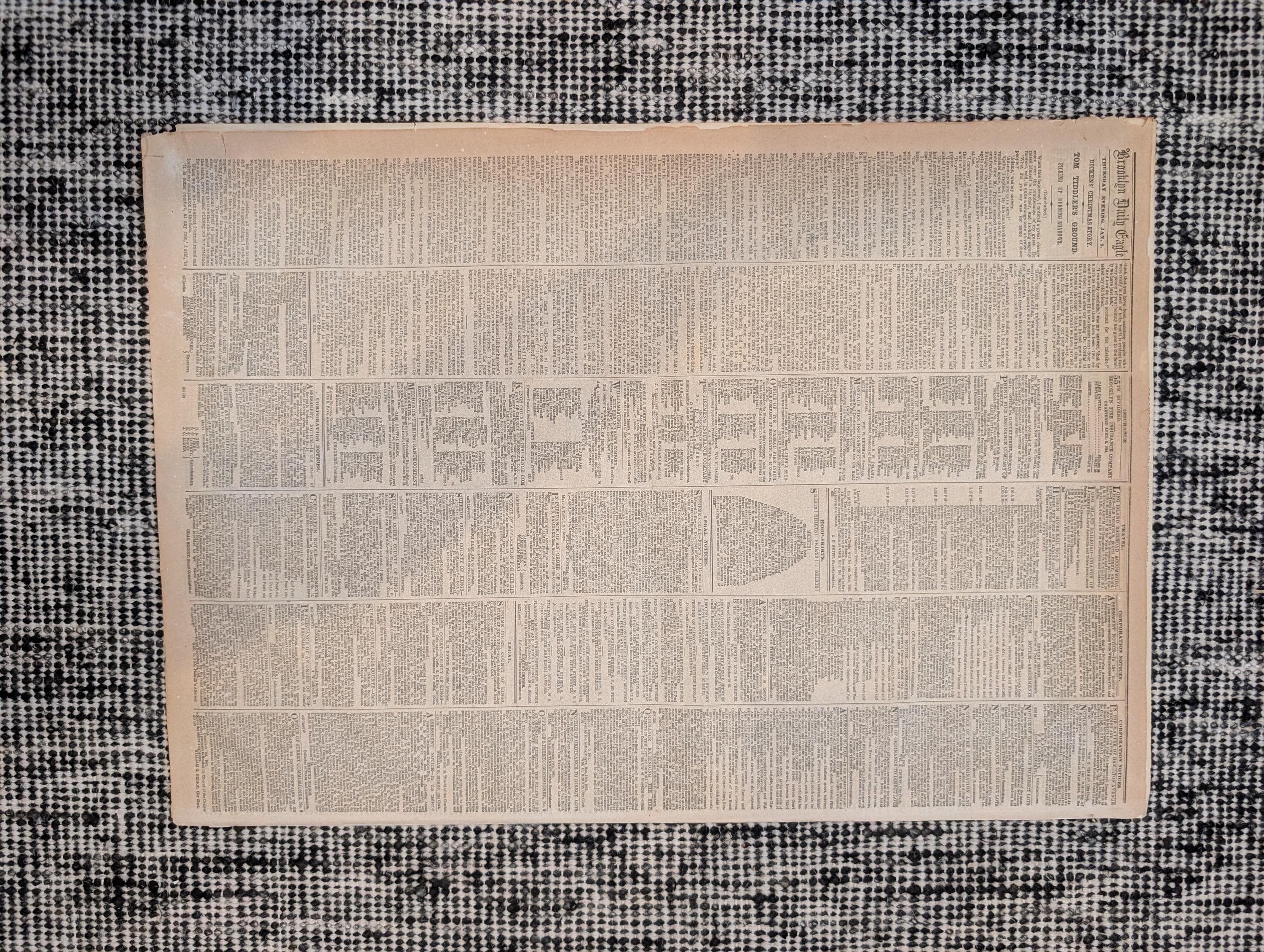
This is The Brooklyn Daily Eagle for Thursday, January 9, 1862 — Vol. 21, No. 7 — one cent, and one of the largest surviving issues in this collection, with seven pages photographed.
Brooklyn was exhaling.
Just days before this paper hit the streets, the Lincoln administration had made one of the most consequential decisions of the entire war — quietly, with enormous reluctance, and under the threat of British entry into the conflict on the Confederate side. The Trent Affair, which had gripped the nation since November 1861, was over. Two Confederate diplomats, seized from a British mail ship on the high seas by a Union naval captain acting without orders, had been released. War with Britain had been averted. The republic had stepped back from the edge.
But the questions it raised weren't going away. What did British neutrality actually mean? What would happen if Britain recognized the Confederacy? What did it mean that the world's greatest naval power had nearly entered the war against the Union — and that Lincoln had backed down to prevent it? On January 9th, Brooklyn was still reading, still arguing, still working through the implications of a diplomatic crisis that had briefly made the Civil War feel like it might become something much larger.
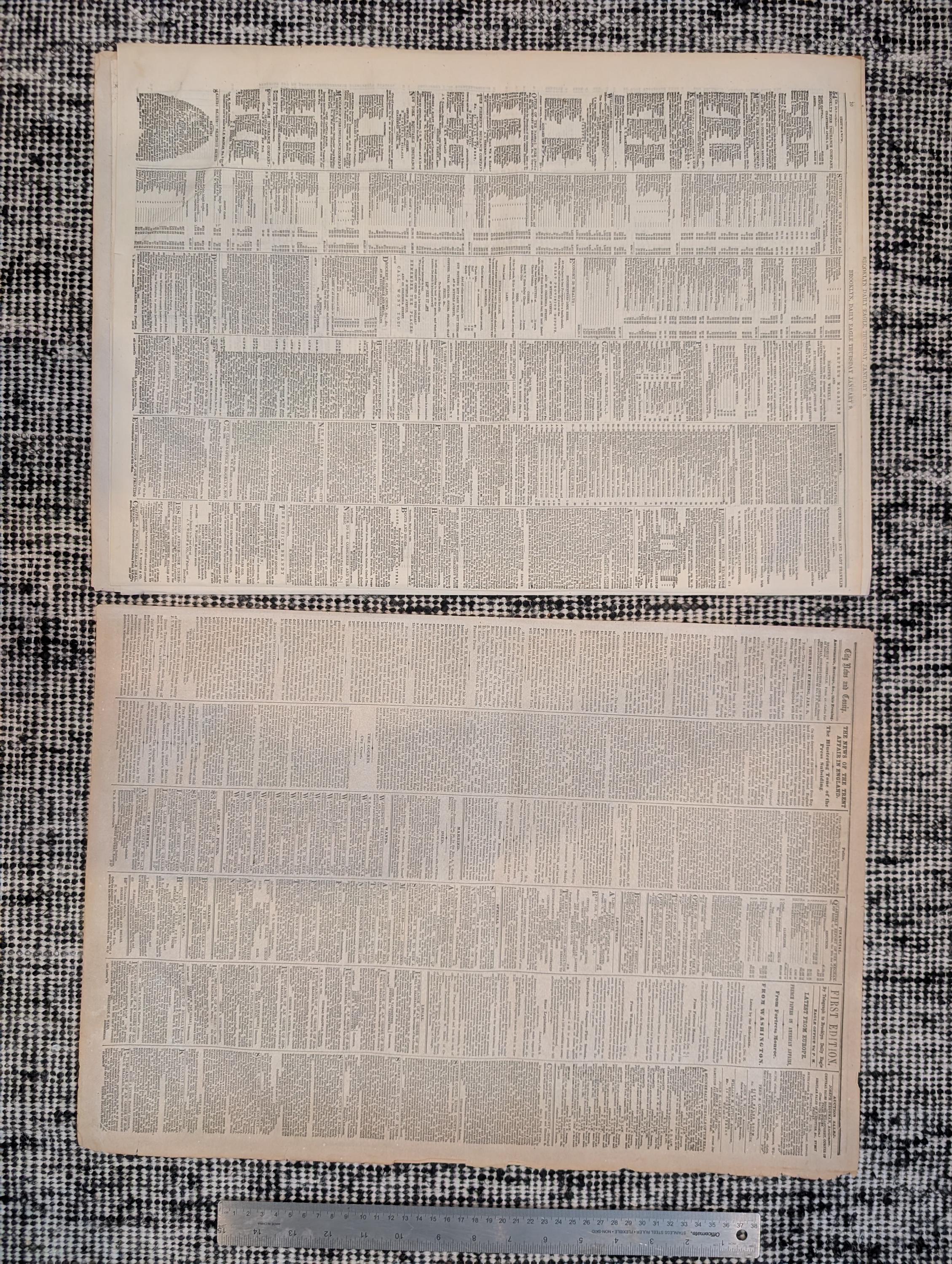
The First Edition columns carry the latest dispatches from Washington and Fortress Monroe. The rest of the paper is the full machinery of a great city holding its breath and carrying on.
---
🇬🇧 THE TRENT AFFAIR — WAR WITH BRITAIN NARROWLY AVOIDED 🇬🇧
In November 1861, Captain Charles Wilkes of the USS San Jacinto stopped the British mail steamer Trent on the high seas and forcibly removed two Confederate diplomatic commissioners — James Mason and John Slidell — who were en route to Britain and France to seek recognition for the Confederacy. The North erupted in celebration. Wilkes was a hero.
Britain erupted in fury. The Royal Navy began preparing for war. Troops were dispatched to Canada. An ultimatum was quietly delivered. Lincoln and Secretary of State Seward faced a choice: release the commissioners and hand the Confederacy a propaganda victory, or keep them and risk a war with the most powerful empire on earth.
On December 26, 1861, they released Mason and Slidell. The crisis was over — but the reverberations were not. On January 9th, Brooklyn was still processing what it all meant, still reading the Washington dispatches, still watching to see whether Britain would stay out of the war or find another pretext to come in.
This paper is a front-row seat to that moment of collective relief and ongoing anxiety.
---
⚔️ FIRST EDITION — WASHINGTON & FORTRESS MONROE ⚔️
The First Edition section carries the latest dispatches from Washington and from Fortress Monroe — the Union's critical Virginia stronghold — bringing Brooklyn the most current intelligence from the front and from the capital. January 1862 was a month of military consolidation, with McClellan's Army of the Potomac in winter quarters and the western campaigns beginning to take shape. Brooklyn was reading every dispatch carefully.
---
📋 THE COMMERCIAL SPREADS — A CITY'S ECONOMY AT WAR 📋
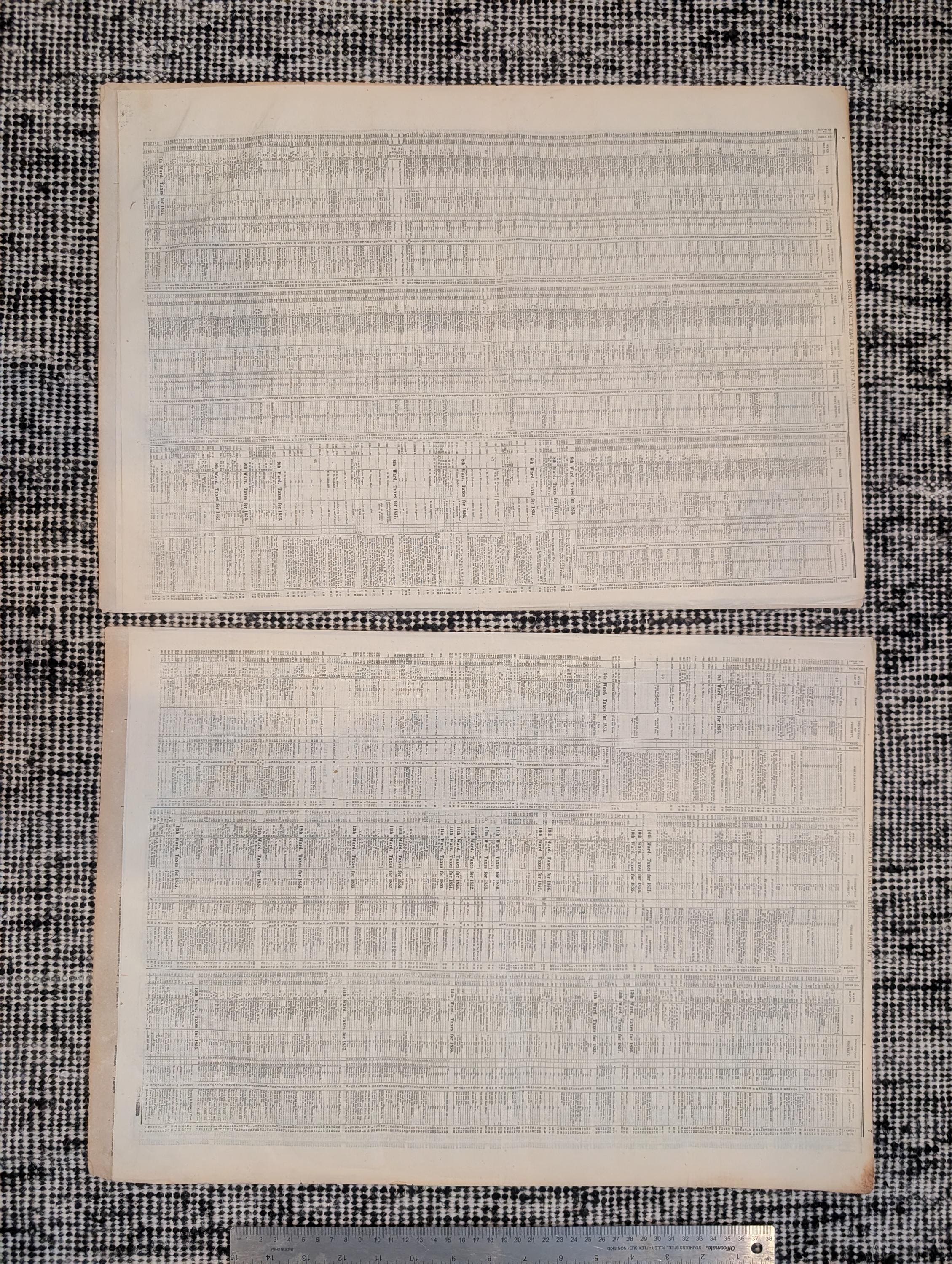
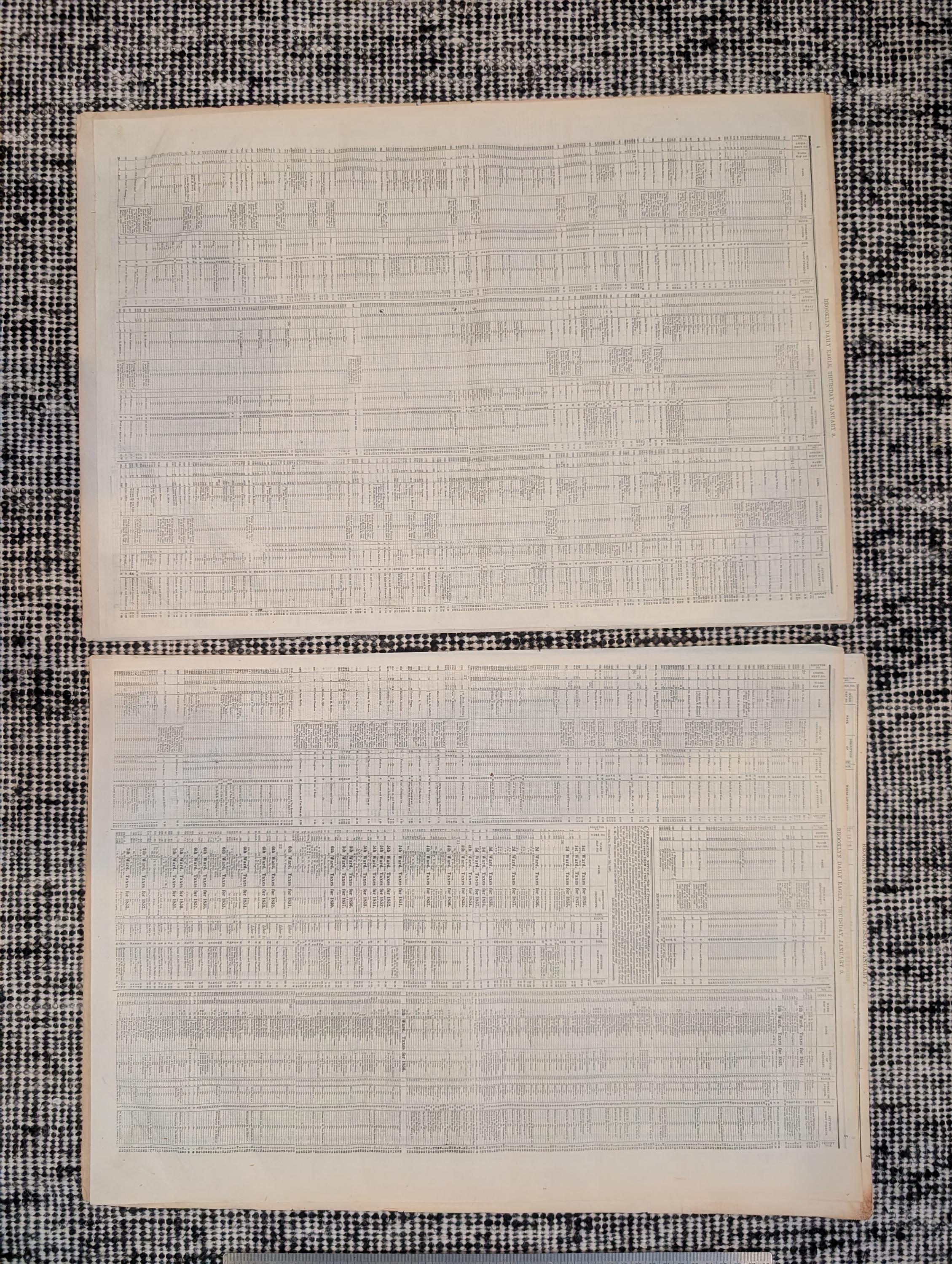
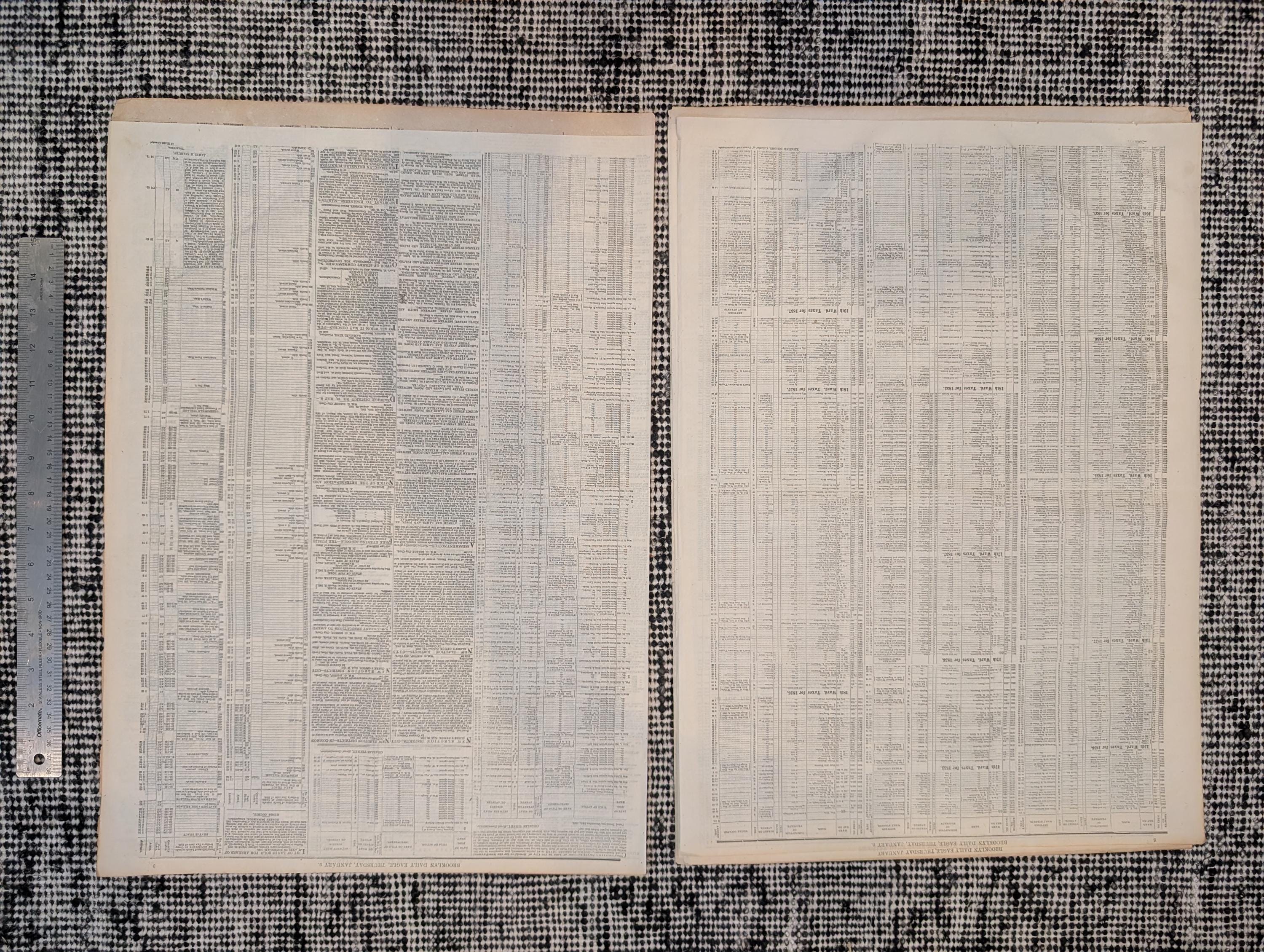
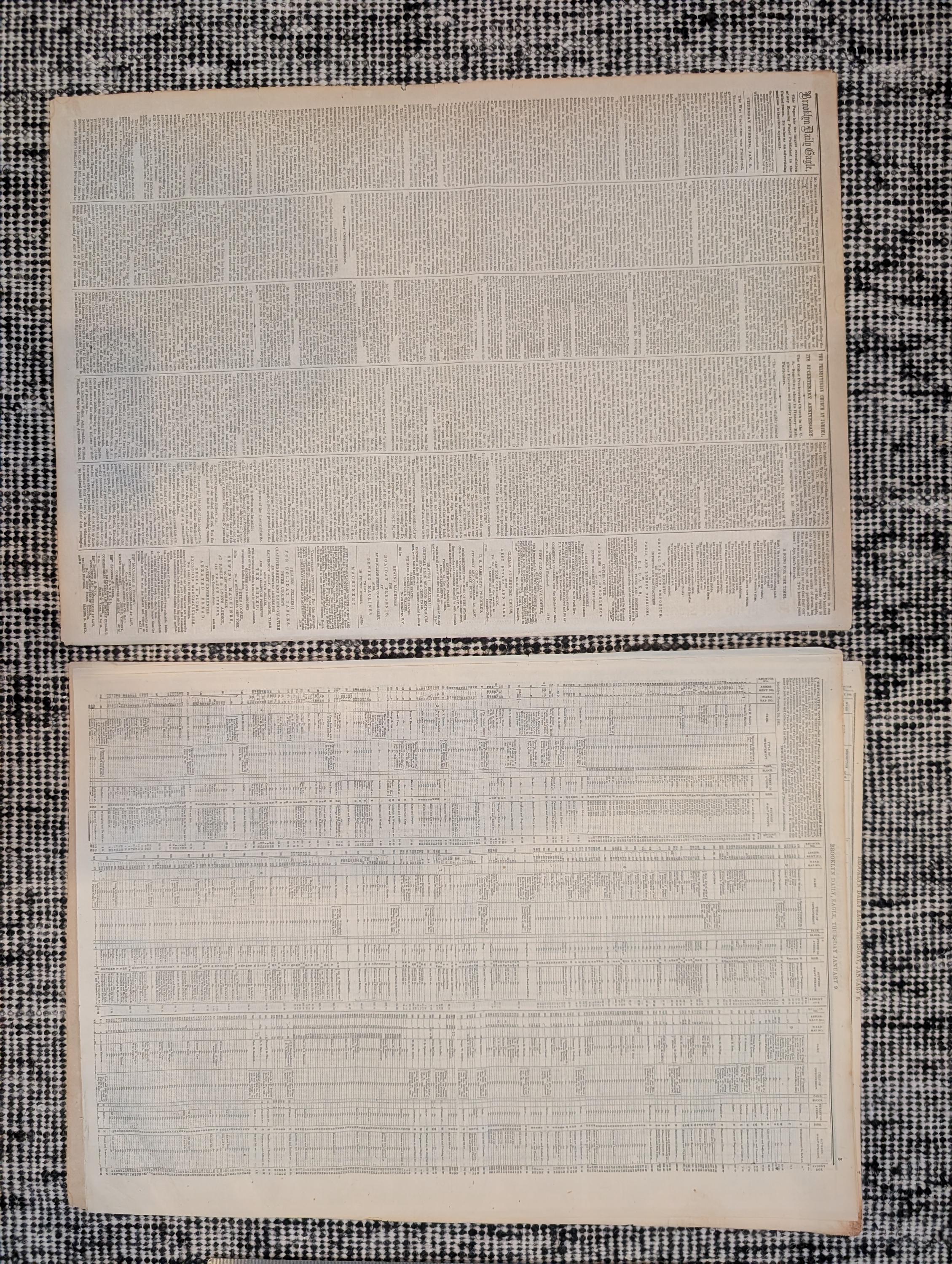
Among the most visually striking elements of this issue are the extensive tabular commercial spreads — multiple full pages of financial listings, auction records, and commercial data dense with names, figures, and the texture of Brooklyn's wartime economy. These pages are extraordinary visual documents of how a great American city organized and sustained itself during the Civil War.
---
📖 DICKENS & THE FULL FRONT PAGE 📖
The back page carries another installment of Charles Dickens' Tom Tiddler's Ground — the Christmas story running through the Eagle's January issues. The front page carries Literature, Science and Art, The Eye and the Ear, a $20,000 financial notice, skating, and the full range of Brooklyn classifieds and notices.
---
📰 THE PAPER ITSELF 📰
Publication: The Brooklyn Daily Eagle
Date: Thursday, January 9, 1862
Volume / Issue: Vol. 21, No. 7
Price: One Cent
Key Features: Trent Affair aftermath context · First Edition Washington dispatches · Latest from Fortress Monroe · Extensive commercial tabular spreads · Dickens' Tom Tiddler's Ground · Literature, Science and Art
Format: Full broadsheet issue — seven pages photographed, one of the largest issues in this series
---
🔍 TRANSPARENCY 🔍
Authenticity: Guaranteed original letterpress printing from January 9, 1862 — not a facsimile or reproduction.
I have photographed every page of this issue. Please review all images carefully and feel free to ask for additional close-ups of any section before purchasing.
---
📦 SHIPPING & PRESERVATION 📦
Housed in an acid-free archival folder to protect the 163-year-old newsprint
Flat-shipped with heavy-duty reinforcement to ensure safe delivery
Fully tracked for your peace of mind
---
Britain had backed down. The war would stay American. Brooklyn was reading the news and wondering what came next.
---
🏷️ TAGS
1862 Brooklyn Daily Eagle, Trent Affair Newspaper, Civil War Britain Diplomacy, Mason Slidell Trent Affair, Brooklyn Eagle January 1862, Civil War Newspaper 1862, Civil War Diplomatic Crisis, Antique Civil War Newspaper, Civil War Primary Source, Brooklyn Civil War History, Fortress Monroe Dispatch, Civil War Washington Dispatches, Walt Whitman Brooklyn Eagle, Antique Newspaper 1862, Civil War Foreign Policy -
Shipping & Policies
Related Products